

Adverse events can range from annoying aftereffects to dangerous reactions. Here’s how to tell the difference and what to do.
Why take a medication that causes you to take additional medication to treat the side effects of the first one? Why not just find a medication that doesn’t make you feel worse to begin with? In a perfect world, you’d take medicine to treat a problem and move on without incident. In reality, although we conduct extensive research and have substantial information on how medications work inside and outside of the body, anything can happen.
A drug is used to treat, prevent or diagnose a disease. There is always an intended target for a drug to carry out its intended action. When a drug causes an effect other than the one intended, the result is known as an “adverse drug event,” or as it’s more commonly known, a side effect. Typically, we think of side effects as being negative, harmful and unwanted, which can certainly be true. But sometimes side effects can be favorable, beneficial or unbothersome.
Even though side effects aren’t exactly fun, learning to deal with them can be very helpful because it will allow patients to continue their primary medication. For some, this could be continuing a treatment that’s their only effective option. For others, it could be the best option available, so dealing with mild side effects is worth it to get the therapeutic effects of the primary medication. Whatever the reason, managing the side effects of medication is justified when it will improve quality of life.
The First Dose
When starting a new medication, patients won’t know what side effects it will cause for them specifically, if any. Therefore, they should take the first dose at home or in a safe location and ensure they do not have responsibilities that require full physical and mental attention (driving, working, school activities, etc.) until they know how it affects their ability to function.
Common Side Effects
Common medication side effects can be mild or severe. Patients can manage mild side effects at home without the intervention of a healthcare provider. However, they should seek medical attention for severe side effects.
Mild side effects include:
- Stomach pain or upset
- Nausea or vomiting
- Sleepiness or drowsiness
- Fatigue or malaise
- Itching or rash
- Headache
- Constipation or diarrhea
- Dizziness
Severe side effects include:
- Bleeding that won’t stop
- Chest pain
- Black or tarry stool
- Decrease in breathing, or increase in effort to breathe
- Mental abnormalities or dysfunction
- Frequent/infrequent/painful urination
Rare, Severe Side Effects
The most severe side effects include but are not limited to:
- Hormone changes
- Suicidal thoughts
- Heart changes
- Tumors or cancer
- Organ damage
Severe side effects are best managed by a professional. If patients experience symptoms that are beyond their ability to manage alone (without the guidance and assistance of a doctor), they should seek help immediately for the best possible outcome.
Allergic Reactions
An allergic reaction differs from a regular side effect in that the body cannot tolerate the medication and it needs to be eliminated or removed from the patient’s system, not only to relieve the discomfort of the reaction, but also to prevent further damage from occurring. If an epinephrine injection (commonly known as an “EpiPen”) is available, patients should use it and then call 911 immediately. Symptoms of a serious allergic reaction can appear as:
- Airway swelling
- Breathing changes (too slow or too fast)
- Severe chest pain (rule out heartburn)
- Sudden redness, hives, rash or itching
- Vision changes (changes in visual field or clarity, vision loss)
- A combination of these
Severe allergic reactions typically — but not always — occur immediately, so patients should be vigilant for the first few doses of a new medication to ensure their bodies are tolerating it well. The emergency room is the best place to go if patients have urgent concerns about a possible allergic reaction, but following up with a specialty provider is also highly recommended. A doctor can help patients effectively resolve treating their condition with an alternative medication or method.
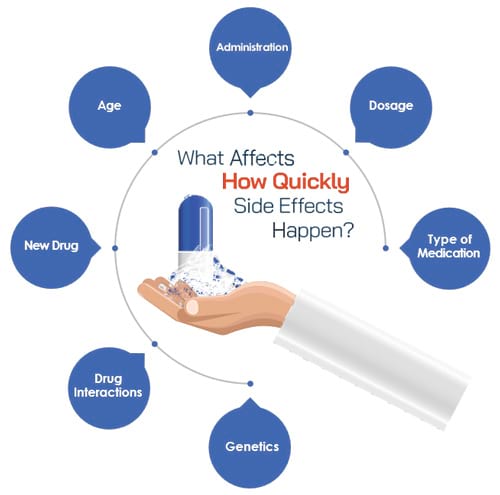
What Is the Goal When Treating Side Effects?
Elimination of symptoms is the ultimate goal in managing an undesired side effect. If it’s possible to get rid of it completely, reduce its significance or decrease its severity, then that should be done! Patients should identify what side effects they intend to treat and have a realistic expectation of the desired result. They should also justify the plan with labs, imaging or quantifiable results to confirm the problem if appropriate. Also, it’s important to be vigilant of medication timing as it relates to when patients experience the beginning and end of any side effects. This assists with using the remedy to benefit them best by working with the side effect at its peak.
What Is the Goal When Treating Side Effects?
Addressing more than one side effect at a time can result in a perfectly engineered disaster when it comes to medicine. If patients experience multiple side effects that are all bothersome enough to treat, they should prioritize them by severity and focus on one at a time. One approach is to think about how significantly each one negatively impacts their quality of life when compared to the benefit of the primary medication. Once it is confirmed which side effect to tackle first, patients can continue to manage the others safely until they can give their full attention to each one independently. And, it’s important to include their doctor so that they make sound decisions.
Patients should identify what side effects they intend to treat and have a realistic expectation of the desired result.
Management Strategies
Manage expectations. Expectations must be realistic and achievable, while safe and effective. Patients should know the desired result and remain vigilant to how they feel before, during and after all medications or therapies. And, they should stay educated and do their research.
Read about medications. With every first fill of a new prescription medication, patients should receive a leaRet or drug information form with a condensed, patient-friendly version of everything they need to immediately know about that product. Included is likely a fairly extensive list of side effects. This section is important because it will advise on what to look out for when taking that medication. This is helpful for eliminating what doesn’t work or isn’t beneficial at the very least. Every medication also has a package insert, which thoroughly explains every detail about that medication. If one is not received, it can be requested from the pharmacy or looked up on the drug’s website.
Perform some master Googling. An educated Google search isn’t ill-advised, as long as patients find appropriate sources that are relevant, accurate and up to date. This search can help patients look into the side effects they are experiencing to get a clear understanding of the associated symptoms and the best approach to their management.
Consult with a pharmacist. Patients will be offered the opportunity to consult with a pharmacist and ask questions about each new medication they have filled. Most typically decline this offer absentmindedly, but this option is always available and can help ensure patients are comfortable with using the medicine safely and effectively.
Consider preexisting issues. Before taking a new medication, patients are advised to look at its list of side effects. If there are any existing problems that might be worsened or negatively affected by that medication, a doctor should be contacted to express concerns and weigh the benefits with the risks of taking it. The medication insert will contain dosing information for adjustments that need to be made based on the body’s condition. Therefore, patients should continue safe use with dose adjustments or changes in frequency of administration as advised by their doctor.
Timing
Some side effects can be managed by taking the primary medication at a different time of day. In fact, altering the timing can be just as effective as taking an additional medication to manage unwanted symptoms the primary medication causes. For example, if a medication causes a side effect patients can sleep through (e.g., drowsiness, coughing or itching), it can be taken closer to bedtime. If a medication causes frequent urination, patients can take it at the beginning of the day so that sleep isn’t interrupted by many late-night trips to the bathroom. The goal is to work with time, not against it.
Prevent By Premedicating
Patients can prevent or decrease the incidence and severity of a side effect before it becomes problematic. By beginning the side effect treatment prior to taking the primary medication, patients will receive the benefit of relief before any symptoms or pain affect them.
Taking side effect medication 30 minutes to one hour in advance of primary treatment will allow it to begin working ahead of time.
Patients should take side effect medication every time it is allowed based on the directions (e.g., every four, six, eight or 12 hours) even if they feel OK. The goal is to manage its effects for the duration of treatment assuming the unwanted side effect of the primary medication is guaranteed to occur. The final dose of the side effect medication should be timed so that its effects wear off after treating the side effect. Although this goes without saying, successful around- the-clock treatment with medication must be safe for that duration of time with minimal to no risk of overdose or misuse of any medications administered. If any element of around-the-clock treatment is compromised (e.g., change in severity of symptoms, timing or formulation of the medication), a different option should be considered.
The goal is to manage its effects for the duration of treatment assuming the unwanted side effect of the primary medication is guaranteed to occur.
Weight
If there was a dollar for every person concerned about weight gain or loss related to medications, there would be enough money to provide the entire country with free healthcare for an eternity!
Weight gain. While it is true that weight gain can be caused by some medications directly, it doesn’t always result from the medication itself. Some medications carry a side effect of an increased appetite, which in turn causes an increase in calorie consumption (and thus, weight gain). This can be very frustrating to experience and manage. If patients need to address weight gain as a side effect, it is best to ensure food and activity choices are appropriate for their situation. If weight loss is needed or desired, the science of decreased calorie intake or increased calorie burn still applies. And, physical activity is always encouraged for burning calories and building strength and endurance.
Weight loss. If patients experience weight loss as an undesired side effect, they can make a conscious decision to eat more frequently or consume more calories in the day. Again, the science still applies, but adjustments need to be made accordingly.
Patients should not give in to the pressures of society in any capacity. Those who have chronic conditions have limitations and must work within them to remain safe and comfortable. There is no need to internalize the food pyramid/plate or obsess over diets and exercise. They should just do the best with what they already have and explore outside resources for assistance if necessary.
If it is within patients’ means to see a dietician or nutritionist, they should do so. Dieticians and nutritionists help to manage disease and maintain good health through food and nutrition. They will assist with weight loss, weight gain, dietary restrictions, allergies and intolerances, body composition and more. They work with patients’ conditions and diseases to maintain the goal of catering to their health needs specifically.
Stay In Tune and In Touch
Ultimately, patients must remain informed and pay close attention to their bodies to ensure a safe and effective experience with their medications. The benefit of managing an unwanted side effect results in patients being able to take medications that are necessary to improve quality of life. And, it’s worth it! But, remember to respect limitations, remain safe and keep providers informed.